Luxury Vinyl Flooring: LVP vs. Vinyl Plank, What's the Real Difference for Michigan Homeowners in 2026?
Many Michigan homeowners searching for new floors in 2026 encounter a confusing question: is LVP the same as vinyl plank, and does the label actually matter? Luxury vinyl flooring is a broad product family, and while the terms are often used interchangeably, there are real differences worth understanding before you buy.
What Is the Real Difference Between LVP and Vinyl Plank?
LVP and vinyl plank both start from the same base material, but LVP refers specifically to a thicker, multi-layer construction with a more substantial wear layer. Standard vinyl plank can mean a thinner, flexible product with a wear layer of 6 mil or less and a flexible PVC core. Luxury vinyl plank, by contrast, typically features a rigid or semi-rigid SPC or WPC core and a wear layer of 12 mil or more, making it fully waterproof where basic vinyl is only water-resistant, and firmer underfoot where basic vinyl feels softer and less stable. That thicker wear layer directly affects how long the floor holds up under foot traffic, furniture, and pets.
Why Does the Distinction Matter for Michigan Homes?
Michigan's climate makes this choice genuinely important. Freeland, MI, experiences cold winters and humid summers along the Tittabawassee River corridor, meaning basements and mudrooms face temperature swings and ground moisture year-round.
LVP is the clear choice for basements. Concrete slabs emit ground moisture that can damage other floor types, while LVP's fully waterproof construction handles that environment without issue. For mudrooms tracking in snow and slush from November through March, a 12-mil-plus wear layer on a rigid SPC core holds up far better than basic vinyl plank. Laminate, by comparison, expands and contracts with temperature fluctuations and can bubble or lift, while vinyl flooring handles normal temperature swings better.
WPC cores add a warmer underfoot feel for main living areas, while SPC cores offer maximum rigidity for basements and high-traffic entry zones.
Frequently Asked Questions
What Wear Layer Thickness Should I Look For?
For normal residential traffic, 12 mil is a reasonable starting point. Mudrooms, kitchens, and basements with heavy use benefit from 20 mil or more. A thicker layer costs more but lasts longer.
Is Luxury Vinyl Flooring Waterproof or Just Water-Resistant?
LVP is genuinely 100% waterproof because the entire product is made from synthetic vinyl that moisture cannot penetrate. Laminate, even newer "waterproof" versions, typically only resists water for 24 to 72 hours before the core can begin to swell.
Can LVP Be Installed Over My Existing Floor?
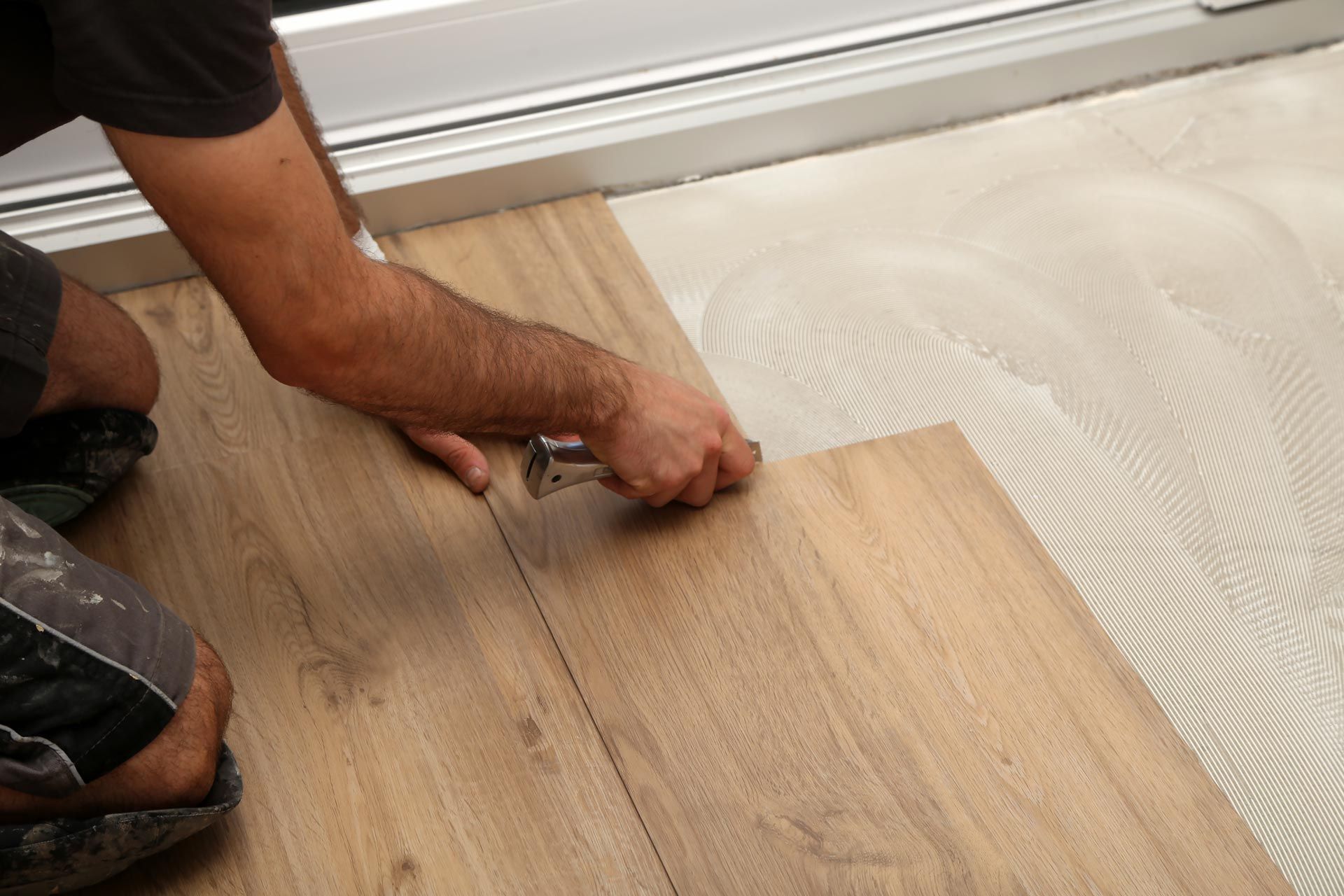
LVP can often be installed directly over existing flooring, including tile, vinyl, and some laminate, skipping demolition costs entirely. A professional can confirm whether your subfloor meets flatness requirements before installation begins.
How Long Does Luxury Vinyl Flooring Typically Last?
A quality LVP product with a thick wear layer can last 20 to 25 years with routine care. Wipe up spills promptly and use approved vinyl cleaners rather than detergent or steam to protect the surface and preserve the warranty.
Ready to Choose the Right Floor for Your Freeland Home?
The right product depends on your room, your budget, and how your family uses the space. Everett Carpet & Flooring has been helping Mid-Michigan families make confident flooring decisions since 1950. Contact us today for an estimate. Explore the full range of LVP and vinyl flooring options for your next project and read local reviews on Google .